Upcharge

Credit card fees are absurd.

Get your 3% back

Your business loses about 3% on every credit card sale. Upcharge adds a small surcharge to credit card payments so your customer covers it, not you. Debit and cash customers pay nothing extra.

A customer inserts a Visa card into a payment terminal at a coffee counter

See that lime strip right through the sale? It's 3% of this photo. That's the slice your business loses on every credit card payment.

Here's a $100 credit card sale

Your business loses its cut before the money ever hits your bank. Here's where it goes when the customer pays with credit.

Today
You keep $97
With Upcharge
You keep $100
All of it, every credit card sale

Now do it for a year

What 3% costs your business in a year, from a single shop to a company running millions a month on credit cards

$20k a month in credit sales
$7,200a year your business loses
$100k a month in credit sales
$36,000a year your business loses
$500k a month in credit sales
$180,000a year your business loses
$2M a month in credit sales
$720,000a year your business loses

Yearly credit card fees at 3%. Your real rate may be a little higher or lower.

Run your own numbers

Every credit card sale costs your business 3%

See the lime strip through each photo? It's 3% of the picture, the same slice card fees take out of every credit card sale these businesses make.


Mechanic on the floor of a garage working under a raised car
You do the work. Why give up $14.40 to the card company on a $480 brake job?
A worker guides a forklift carrying lumber across a supply yard
Your supply yard does $40,000 a month in credit card sales. That's $14,400 a year to the card companies.
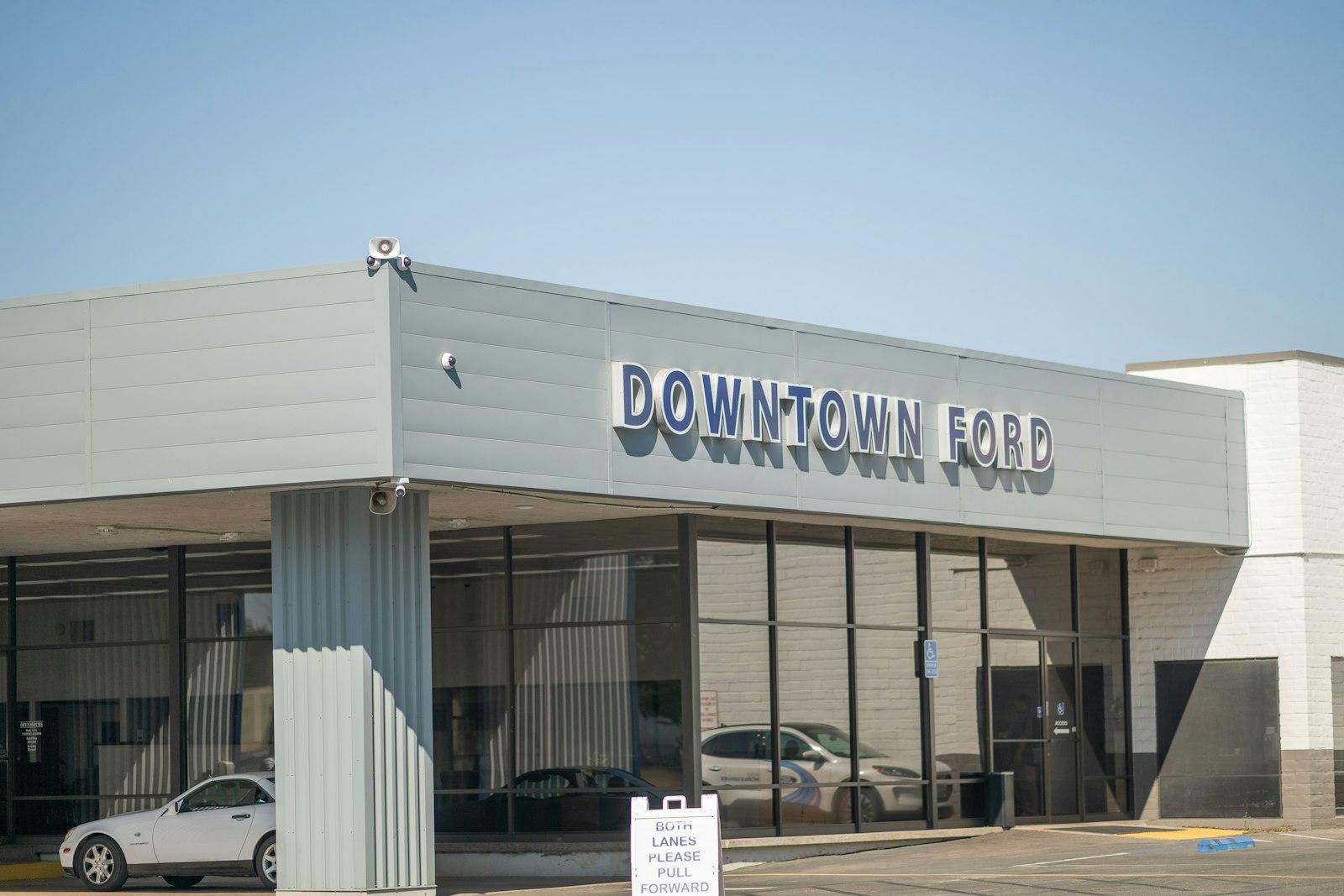
The front of Downtown Ford, a car dealership, with cars parked under the canopy
Your dealership sells the car. The credit card company takes $45 of a $1,500 down payment.
Owner standing in the doorway of a small flower shop
Even a $90 flower order costs your shop $2.70 in credit card fees.

Counter, phone, text or online, the surcharge only lands on credit

Here's a normal day at a shop using Upcharge. Five payments came in five different ways. The three on credit cards picked up the surcharge, and the two on debit paid the regular price.

Today's paymentsOne dashboard
9:12 AMTap at the counterVisa credit$84.00+$2.52
10:40 AMText-to-payDebit$640.00No surcharge
12:05 PMInvoice linkMastercard credit$1,250.00+$37.50
2:30 PMPhone orderAmex$310.00+$9.30
4:48 PMOnline checkoutDebit$45.00No surcharge
Surcharges your customers covered$49.32

Your customers still get a choice

When someone pays with a credit card, a 3% surcharge shows up on the screen before they approve it. If they'd rather not pay it, they can use debit or cash, which cost them nothing extra.

We check every card, follow your state's rules and tell you exactly what your sign should say. Your part is putting the sign up and letting your staff know.

We run your debit cards too, at one flat rate

Upcharge isn't a bolt-on to your old processor. We process all of your card payments. Credit card customers cover their surcharge, and your debit card sales run at a flat rate set by your volume.

A lot of flat-rate processors charge around 2.6% plus 15 cents on every card, debit included. On $30,000 a month in debit sales, that difference is about $5,000 a year back in your business.

See what you'd save on both
$30,000 a month in debit sales
At 2.6% + 15¢, 600 sales$870 a month
With Upcharge's flat debit rate$450 a month
Back in your business$5,040 a year
Example only. Your debit rate is set by your volume, and we'll read your current statement with you.

One register or a thousand, it works the same way

Think of Upcharge as the surcharging layer for anyone who takes cards. A corner store, a dealer group with stores in five states, or a software company whose customers take payments. Same rules engine, same surcharge logic, same next-day deposits.

One location

Put up the sign, take cards on a terminal, by text or over the phone, and that is it.

Ways to take payments

Many locations

Every store follows its own state rules automatically, and you see all of them in one dashboard or one at a time.

See the platform

Your own software

Knowing the state rules isn't enough. You need a compliance layer that stops a surcharge from landing on the wrong card. Our API checks every payment, so only legal surcharges get charged.

Read the docs

$1B+

already processed through Upcharge

Stop paying 3% to get paid

Leave your number. We'll run your real statement and show you exactly what you'd keep.

Or try the calculator

Credit card fees are absurd.

Get your 3% back

Your business loses about 3% on every credit card sale. Upcharge adds a small surcharge to credit card payments so your customer covers it, not you. Debit and cash customers pay nothing extra.

A customer inserts a Visa card into a payment terminal at a coffee counter

See that lime strip right through the sale? It's 3% of this photo. That's the slice your business loses on every credit card payment.

Here's a $100 credit card sale

Your business loses its cut before the money ever hits your bank. Here's where it goes when the customer pays with credit.

TodayYou keep $97
$97
$3 gone to card fees
With UpchargeYou keep $100
$100
All of it

Now do it for a year

What 3% costs your business in a year, from a single shop to a company running millions a month on credit cards

$20k a month in credit sales
$7,200a year your business loses
$100k a month in credit sales
$36,000a year your business loses
$500k a month in credit sales
$180,000a year your business loses
$2M a month in credit sales
$720,000a year your business loses

Yearly credit card fees at 3%. Your real rate may be a little higher or lower.

Run your own numbers

Every credit card sale costs your business 3%

Mechanic on the floor of a garage working under a raised car
You do the work. Why give up $14.40 to the card company on a $480 brake job?
A worker guides a forklift carrying lumber across a supply yard
Your supply yard does $40,000 a month in credit card sales. That's $14,400 a year to the card companies.
The front of Downtown Ford, a car dealership, with cars parked under the canopy
Your dealership sells the car. The credit card company takes $45 of a $1,500 down payment.
Owner standing in the doorway of a small flower shop
Even a $90 flower order costs your shop $2.70 in credit card fees.

Counter, phone, text or online, the surcharge only lands on credit

Here's a normal day at a shop using Upcharge. Five payments came in five different ways. The three on credit cards picked up the surcharge, and the two on debit paid the regular price.

Today's paymentsOne dashboard
9:12 AMTap at the counterVisa credit$84.00+$2.52
10:40 AMText-to-payDebit$640.00No surcharge
12:05 PMInvoice linkMastercard credit$1,250.00+$37.50
2:30 PMPhone orderAmex$310.00+$9.30
4:48 PMOnline checkoutDebit$45.00No surcharge
Surcharges your customers covered$49.32

Your customers still get a choice

When someone pays with a credit card, a 3% surcharge shows up on the screen before they approve it. If they'd rather not pay it, they can use debit or cash, which cost them nothing extra.

We check every card, follow your state's rules and tell you exactly what your sign should say. Your part is putting the sign up and letting your staff know.

We run your debit cards too, at one flat rate

Upcharge isn't a bolt-on to your old processor. We process all of your card payments. Credit card customers cover their surcharge, and your debit card sales run at a flat rate set by your volume.

A lot of flat-rate processors charge around 2.6% plus 15 cents on every card, debit included. On $30,000 a month in debit sales, that difference is about $5,000 a year back in your business.

See what you'd save on both
$30,000 a month in debit sales
At 2.6% + 15¢, 600 sales$870 a month
With Upcharge's flat debit rate$450 a month
Back in your business$5,040 a year
Example only. Your debit rate is set by your volume, and we'll read your current statement with you.

One register or a thousand, it works the same way

Think of Upcharge as the surcharging layer for anyone who takes cards. A corner store, a dealer group with stores in five states, or a software company whose customers take payments. Same rules engine, same surcharge logic, same next-day deposits.

One location

Put up the sign, take cards on a terminal, by text or over the phone, and that is it.

Ways to take payments

Many locations

Every store follows its own state rules automatically, and you see all of them in one dashboard or one at a time.

See the platform

Your own software

Knowing the state rules isn't enough. You need a compliance layer that stops a surcharge from landing on the wrong card. Our API checks every payment, so only legal surcharges get charged.

Read the docs

$1B+

already processed through Upcharge

Stop paying 3% to get paid

Leave your number. We'll run your real statement and show you exactly what you'd keep.

Or try the calculator